
A Website Without Shackles
Go ahead — click around this site for a minute. Try a few links. I’ll wait.
Back? Good. Did you notice anything strange?
Sure, there’s content. Text. Images. The usual. But what didn’t you run into?
Need a hint? There’s no algorithm. No infinite feed nudging you toward the next dopamine hit. You can read a post, look at some photos… and then simply leave. Imagine that.
Do I want you here? Of course. I’d love it if you left comments, argued with me, agreed with me, told me something I didn’t know. Whatever helps me understand whether this work matters to you. But I’m not trying to trap you. I don’t need your data. I don’t need you doom‑scrolling until your thumb cramps.
You are not the product here.
This site costs money to run, and I’m the one paying for it. I’m fine with that. But hey, if you want to buy me a coffee about it, the donate link’s at the bottom of the page.
So, what does any of this have to do with a “Modern Renaissance”?
Honestly? Everything!
We had chat rooms back then. We hung out, made friends, added people to buddy lists. And then we logged out
The Golden Age of the Internet
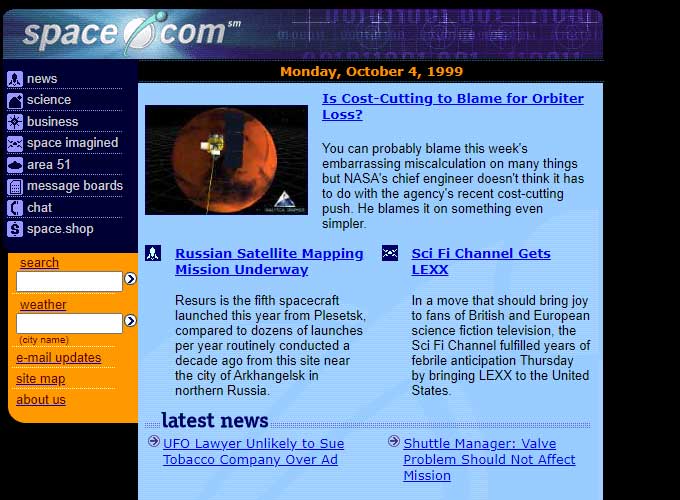
This is how it used to be in “The Golden Age of the Internet”. Businesses and individuals would shoulder the cost of websites and content creation because they had something to share, whether it was businesses providing information about their products and services, journalists keeping you informed about the latest news in their sphere of coverage, or artists and writers sharing their creative expression with you. We were paying for the privilege of providing you with this content because we believe what we are sharing is worth it.
We weren’t trying to monopolize your time. We weren’t mining your data. We weren’t running psychological experiments to see if we could make you sad or angry or insecure. And we definitely weren’t trying to trick you into doing unpaid labor to keep our platforms alive.
Would I love to see a community form around KayNerd.com? Sure. A Kay Nerd Community would be fun. Maybe I’ll try it. If you want a Discord server, say so in the comments.
So anyway, when I talk about a Modern Renaissance, I’m talking about going back to the way things were in that earlier internet — the one where websites offered something of value instead of turning you into the value. The one where you logged on, enjoyed yourself, and then logged off to go live your actual life.
We had chat rooms back then. We hung out, made friends, added people to buddy lists. And then we logged out because we had school, work, families, hobbies, responsibilities — you know, the things that give our lives meaning.
They want to escape all the AI slop and nastiness, and the soul-crushing algorithms of social media.
What’s Old Is New Again

You’ve heard the phrase “what’s old is new again.” It’s cliché, but it’s also true. People — especially younger people — are exhausted by the always‑on subscription era. They’re rediscovering libraries, paper books, and physical media. Gen Z is buying CDs and vinyl again.🔗
In a previous post,🔗 I talked extensively about why physical media is important and it’s perhaps even vital that we re-embrace it before all of the media we buy is taken away from us on a whim. So kudos to Gen Z for this!
Others are ditching smartphones for flip‑phones 🔗 because they want to be reachable without being consumed. They want peace and quiet. They want to unplug and be present in the real world. They want to escape all the AI slop and nastiness, and the soul-crushing algorithms of social media. It’s not always easy. My job requires me to clock in and out using a mobile app, so I can’t ditch my smartphone entirely. But I can use it less. I could get a cheap flip‑phone for calls and texts, strip my smartphone down to the bare essentials, or make it visually boring so it stops trying to seduce me.
Chat GPT incessantly kisses your ass while swearing it doesn’t, which isn’t helpful to people who need a reality-check.
The AI Epidemic

AI is everywhere now, and despite what big tech keeps insisting, it hasn’t exactly ushered in a golden age of human flourishing. In a lot of ways, it’s been awful. In some ways, it’s been catastrophic.
AI has eroded our trust in the things we see and read online. YouTube and social media are flooded with AI slop and bot accounts.
When I go on Facebook, I am bombarded with AI generated reels and posts, and the comments are littered with bots reacting to that content. It’s literally AI reacting to AI! And that’s just a brief overview of what many call “The AI Epidemic”.
I went to Taco Bell a couple months ago, and at the drive-through, rather than a person taking my order when I pulled up, it was AI. Surprisingly it got my order right with no problem, but it was still really jarring that a job normally done by a human being had been replaced by AI.
I’m not saying AI has no uses. It does. But the way it’s being shoved into everything right now is damaging — socially, environmentally, and creatively. It’s stripping interactions and content of value and meaning. Chat GPT incessantly kisses your ass while swearing it doesn’t, which isn’t helpful to people who need a reality-check. It’s making people suspicious of good writing. If you use proper grammar, someone accuses you of using AI.
There are ways to tell. And no, it’s not just my beloved em‑dash. (Seriously though, more people should use that. It’s great! Alt+0151 on the number-pad in Windows, or long-press on the hyphen on android)
AI loves symmetrical sentences, tidy lists, similes, and weirdly specific number patterns. It has no sense of self. It can’t reference lived experience. When I talk about the Taco Bell drive‑through, that’s something AI can’t do — it has no past.
It also uses words and phrases that are technically correct but feel uncanny. Sure, I do that sometimes too, but with AI it’s like a tic. It loves overusing buzzwords like it was trained almost exclusively on corporate memos. You can spot them if you’re paying attention. Because who talks like that?!?…Pay no attention to the nerdy perfectionist ADHD‑riddled writer with a touch of the ’tism behind the curtain. <_<
If you want to learn more about spotting AI writing, here’s a great breakdown:
What AI shouldn’t do is replace the human part of what we make.
It’s Not All Bad
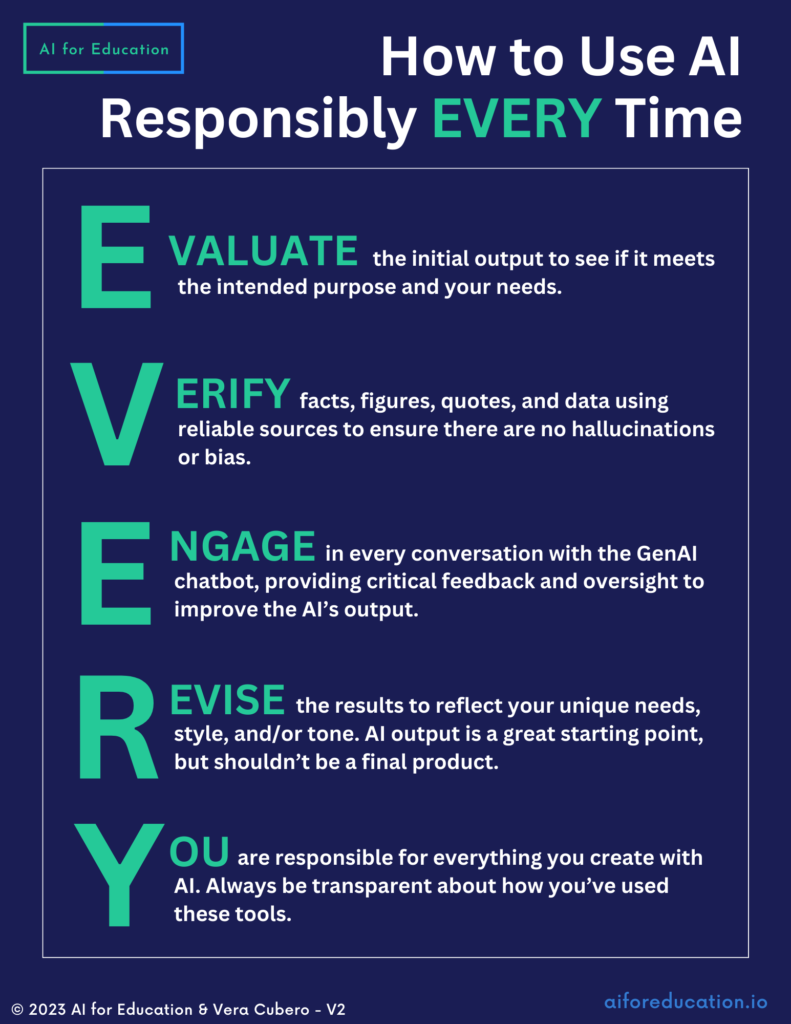
It’s easy to look at the AI‑slop‑filled internet and feel hopeless. I’ve felt that way too. But it’s not all bad though! AI can be useful — when it’s treated like a tool instead of a replacement for human creativity.
It’s great for boring tasks. Repetitive tasks. Cleanup work. Stuff no one actually wants to do—as long as a human is supervising it. Always proofread AI-generated revisions!
Even writing this, I know I’ll run it through my preferred AI later to help me fix mistakes and tighten up my first draft (Of course, then I have to go back in and fix areas where it decided to go rogue and strip my unique voice out of the writing, kinda like I’m doing now.).
Plenty of YouTubers use AI to clean up audio, remove dead air, fix pops and clicks. That’s fine. Used responsibly, AI can be a very helpful tool.
What AI shouldn’t do is replace the human part of what we make. It can’t replicate creativity. It shouldn’t be used to spread misinformation or generate exploitative materials.
(Looking at you, GROK, you disgusting, unethical piece of shit!)
We can take back our attention, our creativity, our humanity. We can make technology serve us instead of dividing us.
In Closing
A lot of us are disillusioned with the digital age. We’ve lost so much of what makes life worth living, and technological “innovation” has flattened the human experience as tools meant to help us have been grossly misused. Technology was supposed to help us, but somewhere along the way, it started hollowing us out.
But it’s not too late.
We can build a Modern Renaissance. We can take back our attention, our creativity, our humanity. We can make technology serve us instead of dividing us.
If you want to explore this idea further, here’s a great place to start:
Leave a Reply